


If you’ve been googling “plots near Rawalpindi Ring Road for sale,” you’ve probably already noticed the problem: most of what shows up is either a single listing page trying to sell you one specific plot, or a real estate agency’s brochure dressed up as a blog post. Nobody’s actually sat down and told you what’s happening with the road itself, which societies genuinely benefit from it, and what to check before you hand over token money.
That’s what this guide is for. No sales pitch, no single project, we’re pushing just a straight comparison so you can make your own call, whether you’re buying your first plot, adding to a portfolio, or advising a client as an agent.
1. Rawalpindi Ring Road Current Status (2026 Update)
Here’s the part that changes everything about how you should be thinking about this purchase: the road is basically done. As of late June 2026, the main asphalt work on the 38-kilometre corridor is complete, with four of the five planned interchanges Banth, Chak Beli Khan, Adiala, and Chakri finished, and only the Thalian interchange (pushed into a later phase for a wider redesign) still pending before a formal opening and Ring Road toll system, similar to Lahore’s Ring Road, go live.
That matters because for years, every plot near this road was priced on a promise “it’ll be worth more once the road is built” and that promise is now basically fulfilled, which means we’re moving out of the speculative phase and into the utility phase, where prices start reflecting actual, usable access rather than a future maybe; the easy money on some of these societies has already been made by the people who bought five years ago, so if you’re buying now for appreciation, the game isn’t which “Ring Road” society to pick anymore, it’s which specific plot within it.
Quick facts:
- Length: approximately 38.3–38.6 km
- Route: Banth (GT Road) to Thalian (M-2 Motorway)
- Completed interchanges: Banth, Chak Beli Khan, Adiala, Chakri
- Pending: Thalian interchange (separate phase)
- Executing agency: Rawalpindi Development Authority (RDA), construction by Frontier Works Organisation (FWO)
- Expected: toll road, similar model to Lahore Ring Road
2. Ring Road Route Map & Interchange Clusters
Forget the marketing language for a second and look at the geography. Almost every housing society along this corridor falls into one of two clusters, and which cluster a plot sits in tells you far more than the phrase “near Ring Road” ever will.
Adiala Road Interchange Cluster
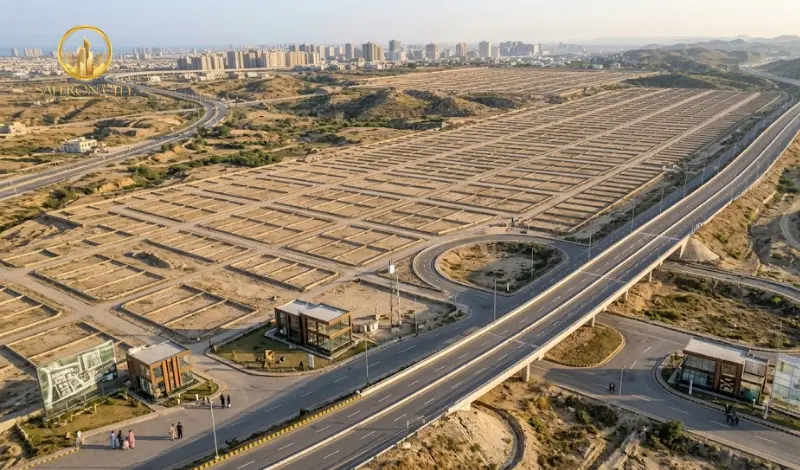
This is the eastern side of the loop. Rudn Enclave sits here with its main entrance essentially at the Adiala interchange itself, about as direct a connection as you’ll find along the entire route. Bahria Town Phase 8 and its newer extension share a boundary with Rudn Enclave Ring Road and fall into the same access cluster, even though they’re a separate project entirely.
Chakri Road Interchange Cluster
This is the western side, near the M-2 motorway. Saffron City, Capital Smart City, Mumtaz City, Top City, Al-Haram City, and Nova City are all clustered around the Chakri interchange. Here’s the useful bit most articles skip: interchange access across these five is roughly comparable. What actually separates them isn’t proximity, it’s NOC status, how far along development is, and price per marla. If someone tells you one of these has dramatically better “Ring Road access” than the others, ask them to be specific, because on paper the access is similar.
Indirect-Benefit Societies
DHA Phase 3 (and DHA’s other Rawalpindi/Islamabad sectors) will benefit from the Ring Road too, but indirectly mainly through reduced traffic on inner-city roads once through-traffic shifts onto the bypass. DHA wasn’t built around this corridor the way Rudn Enclave or the Chakri cluster societies were, so don’t expect the same interchange-driven commercial premium here. It’s still a solid, well-established option just for different reasons than Ring Road proximity.
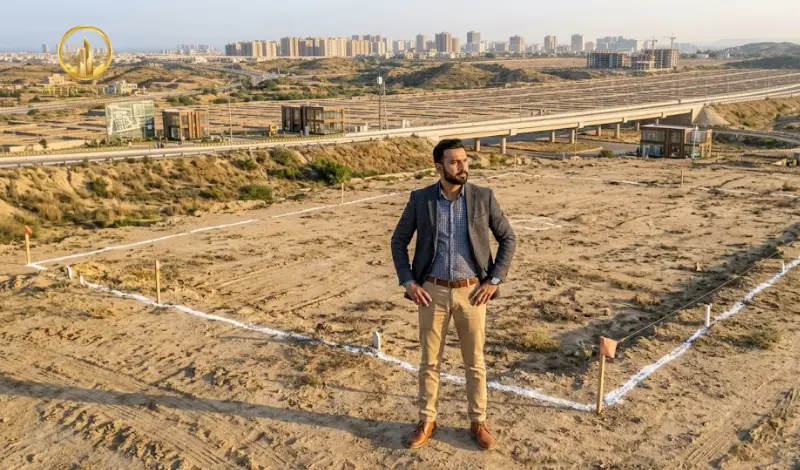
3. Compare Housing Societies Near Rawalpindi Ring Road
Here’s the side-by-side most people are actually looking for when they search this keyword. A few honest caveats before you read it: plot prices in these societies move fast and vary block-to-block, so treat the ranges below as a starting point for your own research, not a quote. Always confirm current pricing with the society’s official booking office or a verified listing before making a decision.
| Society | Interchange | Access Type | Typical Plot Sizes | Payment Options | Legal Status to Verify |
| Rudn Enclave | Adiala Road | Direct entrance at interchange | 5 Marla–1 Kanal residential, 4 Marla–1 Kanal commercial, farmhouses | Long-term installments (multi-year plans common) | General Block affected by a Section 4 land-acquisition notice see below |
| Bahria Town Phase 8 / Extension | Adiala Road | Adjacent boundary | 5 Marla–1 Kanal | Mostly full payment, limited installment options | Has faced land-dispute and NAB inquiry coverage confirm current status on the specific block |
| Capital Smart City | Chakri Road | Close, own M-2 interchange plus Ring Road access | 3.5 Marla–2 Kanal residential, commercial and farmhouse options | Installments on remaining inventory; much of it now resale | Established project, but check block-specific development stage |
| Mumtaz City / Top City / Al-Haram City / Nova City | Chakri Road | Clustered, broadly similar | Varies by project | Varies | NOC status differs significantly between these four don’t assume they’re equally approved |
| DHA Phase 3 | Indirect (inner-city benefit) | No direct interchange | 5 Marla–1 Kanal | Full payment / limited installment | Generally well-established, lower legal risk |
A quick way to use this table: if you want the most direct physical connection to the road today, Rudn Enclave and the Bahria Town Phase 8 cluster are your starting point. If you want more established legal footing with a smaller Ring Road premium, DHA is the safer, quieter choice. If you’re chasing the Chakri side, don’t skip the NOC check the four societies there look similar on a map but aren’t equally clean on paper.
4. Legal Risks and Red Flags to Check Before Buying
This is the section most competing content leaves out entirely, and it’s arguably the most important one if you’re actually about to spend money.
A real example worth knowing: Rudn Enclave’s General Block sits directly along the Ring Road’s finalized alignment which sounds like a good thing, and mostly is, but it also meant the Punjab government imposed a Section 4 notice on plots in that block to allow construction to proceed. In plain terms, Section 4 is a legal notification issued when land is being acquired or affected by a public project; it can mean restrictions on transfers, construction, or eventual compensation-based acquisition rather than normal resale. If you’re looking at a plot in a block affected by something like this, you need to know its current resolution status before you buy, not after.
Separately, Bahria Town Phase 8 has had its own history of land disputes and a NAB inquiry tied to certain blocks. This doesn’t mean every plot in Phase 8 is risky; plenty of transactions there are completely normal but it does mean “Bahria Town” as a brand name isn’t a substitute for checking the specific block you’re buying into.
How to Verify a Plot Before Paying Token Money
- Confirm RDA approval status for the society and the specific phase/block, not just the society’s name as a whole.
- Check the fard (ownership record) and intiqal (mutation) to confirm the seller actually holds clear title.
- Ask specifically whether the plot falls inside the Ring Road right-of-way or any acquisition zone; this is exactly the kind of thing a seller won’t volunteer.
- Request the NOC directly from the developer, not just a verbal assurance from a dealer.
- Cross-check with RDA approval / NOC status or the society’s own verification portal where one exists, rather than relying solely on what an agent tells you.
None of this takes more than a few phone calls and a site visit, and it’s genuinely the difference between a good investment and a years-long legal headache.
5. Taxes and Costs to Budget For
Beyond the plot price itself, two withholding tax categories apply to most property transactions in Pakistan: 236C, which applies to the seller at the time of sale, and 236K, which applies to the buyer at the time of purchase. Your rate under both depends heavily on whether you’re an active tax filer, a late filer, or a non-filer; non-filers pay meaningfully more. On top of these, budget for transfer fees and registration costs, which vary by society and aren’t always included in the advertised plot price. If you want the full breakdown of current rates and filer categories, it’s worth reading a dedicated tax guide before you commit funds, since these figures get revised periodically.
6. Which Plot Size and Type Should You Buy?
The “right” plot size here really depends on why you’re buying, so think of these as starting points rather than rules:
- 5 Marla is the entry point for most owner-builders and smaller-budget investors. Good liquidity, easiest to resell.
- 8–10 Marla is the sweet spot for families planning to actually build and live in the property long-term.
- 1 Kanal higher-end residential, generally slower to sell but with more room for premium construction.
- Commercial plots are the ones to watch if you’re an investor specifically chasing the Ring Road effect. The 500-metre commercial buffer zones around the completed interchanges are where rental demand (fuel stations, cash-and-carry outlets, clinics, small logistics operations) is expected to concentrate first, since that’s where actual road traffic will pass daily once tolling begins.
Agents advising clients: if a buyer’s timeline is under 2 years, steer them toward smaller residential plots in the Chakri or Adiala clusters for liquidity. If they’re thinking 5+ years and want yield, commercial plots near Ring Road a completed Rawalpindi Ring Road interchange are the stronger conversation to have.
Conclusion
The Ring Road itself has done its job, it’s essentially built, and the guessing game about “will it actually happen” is over. What’s left isn’t a question of whether to buy near it, but exactly where. Rudn Enclave and the Bahria Town Phase 8 cluster give you the most direct physical connection on the Adiala side; Capital Smart City and its Chakri-cluster neighbors offer similar access with more variation in legal footing; DHA remains the steadier, lower-drama option if you’re not chasing the biggest possible upside.
Whatever you choose, the one habit that will save you the most money isn’t finding the best society, it’s checking the specific block. Section 4 notices, NOC gaps, and unresolved disputes exist in real, identifiable pockets, not across entire societies, and a few phone calls before you pay token money is a small price for avoiding a legal mess later. Do that homework, and buying near a road that’s finally live rather than one that’s still a promise is a genuinely good position to be in.